2026-06-25
As automotive electronic architectures rapidly evolve toward central domain control, next-generation Central Domain Controllers (CDCs) integrate multiple critical functions, including body control, gateway interaction, and vehicle-wide signal scheduling. This imposes stringent mass production thresholds on the speed, stability, security, and batch consistency of master MCU firmware programming.In a recent core project utilizing the Renesas R7F702300 chip, its large-capacity flash memory and high-security design features exposed the limitations of traditional programming equipment, such as slow programming speeds, high verification failure rates, and difficulties in automated integration.To address this, HybridTest's self-developed FlashLink programmer delivered deep algorithm adaptation specifically tailored for this chip. This successfully resolved the pain points of CDC batch programming, ensuring high-speed and stable mass production while significantly boosting both production line utilization and final product yield rates.
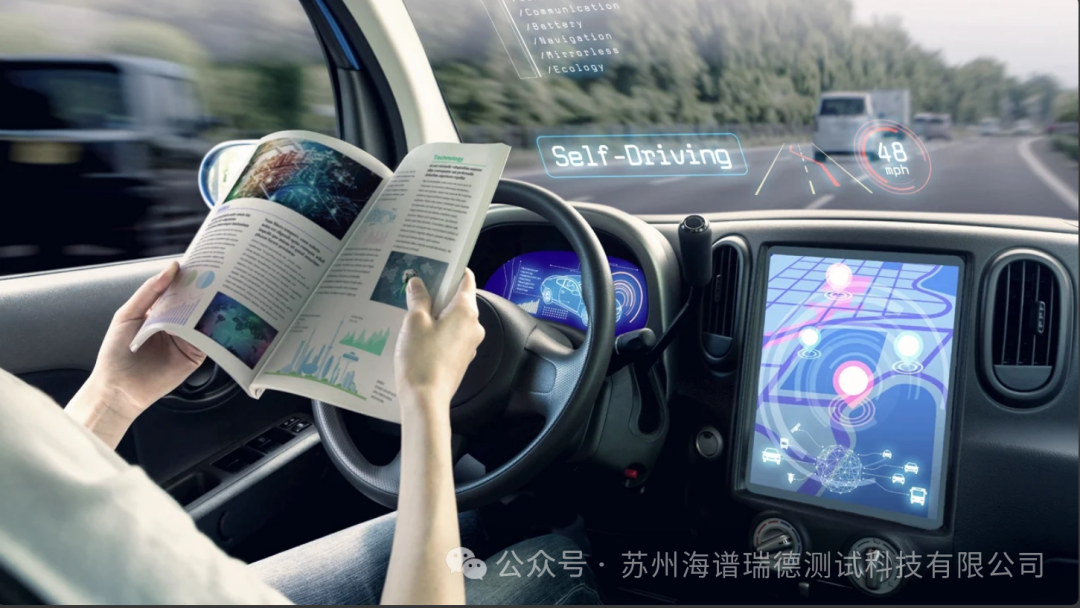
01. Premium Master MCU for Central Domain Controllers
Belonging to Renesas' automotive-grade RH850/U2A MCU platform, the R7F702300 is a 32-bit lockstep safety master MCU designed for next-generation automotive E/E architectures, specifically targeting Central Domain Controllers, Zonal ECUs, and in-vehicle gateways.Powered by a 400MHz RH850 G4MH dual-core lockstep architecture with 16MB Flash and 3.6MB RAM, it handles multi-task computing for domain controllers and facilitates high-speed data communication via Ethernet and CAN FD.Certified to the highest ISO 26262 ASIL-D functional safety standard and equipped with an EVITA hardware encryption unit, it integrates dedicated in-vehicle interfaces such as Gigabit Ethernet AVB, FlexRay, and multiple CAN-FD channels. This enables unified scheduling of body, chassis, and infotainment signals, while its wide temperature range meets stringent automotive operating conditions.However, due to its large-capacity storage and advanced security encryption mechanisms, firmware erasing, programming, and full-domain verification processes are highly complex. Conventional programming equipment suffers from long cycle times and high verification failure rates, which severely restricts the mass production efficiency of domain controllers.
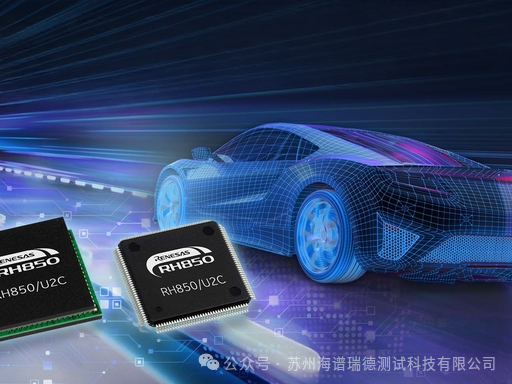
02. FL2 Field Test: Massive Leap in Batch Programming Efficiency
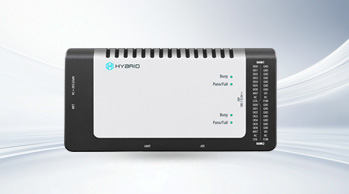
The FlashLink FL2 programmer features deeply optimized low-level programming algorithms specifically for the Renesas R7F702300. By connecting directly to the native JTAG programming channel and leveraging our proprietary S-ISP high-speed programming technology, real-world tests have proven its outstanding performance:With a 4MHz programming clock frequency and a 39,429KB firmware size, the complete process of erasing, programming, and full-domain CRC verification for the 16MB firmware takes only 76.75 seconds, maintaining an exceptionally low defect rate during continuous single-channel programming.The device supports 2/4/8-channel simultaneous parallel programming. When integrated into an automated PCBA production line via clustered networking, it significantly boosts overall production capacity;Built-in hardware encryption and verification mechanisms ensure complete logging of the entire process, including firmware distribution, programming writes, and read-back comparisons. This enables precise version control and full-lifecycle product traceability, fully aligning with the stringent quality management standards for automotive components.
03. Core Advantages for Automotive-Grade Mass Production Programming
The FL2 features native programming algorithm adaptation for the entire Renesas RH850 series (including the R7F702300). It supports lockstep mode, key programming, OTP configuration, and partitioned programming, effectively resolving the security partition write failures common in universal programmers. Furthermore, it is fully compatible with mainstream automotive MCUs from NXP and Infineon, supporting flexible mass production across multiple domain controller platforms.With a compact footprint, it supports both offline and Ethernet-connected modes, allowing seamless embedding into various test fixtures with minimal line retrofitting costs. Supporting multi-device clustered networking, its accompanying software offers open APIs for MES integration, enabling digital traceability and control throughout the entire programming process.Equipped with ESD and I/O overvoltage protection circuits, it is highly adaptable to complex workshop environments. It supports multi-version firmware storage and switching, along with built-in resume-from-breakpoint and communication self-check functions, effectively preventing chip lock-up and minimizing scrap. Additionally, the manufacturer provides one-stop deployment services, including algorithm adaptation, fixture support, and on-site technical assistance.
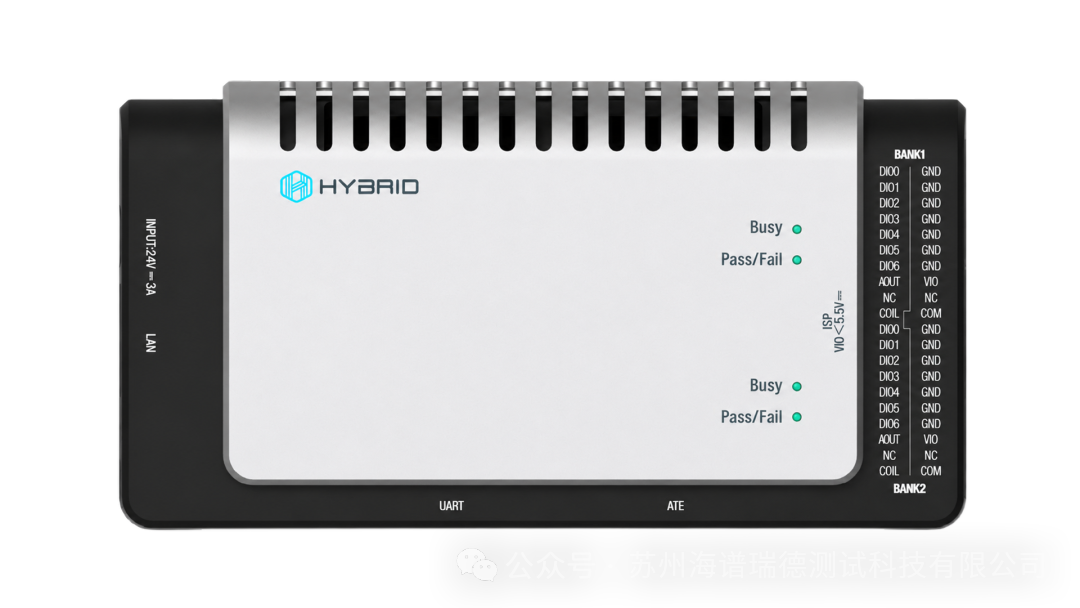
To address the multifaceted demands of accelerating mass production, functional safety compliance, and digital control for automotive Central Domain Controllers (CDCs), the FlashLink FL2 programmer leverages its deep adaptation for the Renesas R7F702300, ultimate programming efficiency, and seamless automation integration. It effectively resolves the programming pain points of large-capacity automotive MCUs, ensuring both firmware programming consistency and data security for CDCs, while significantly boosting production line capacity and controlling manufacturing costs.Looking ahead, HybridTest will continue to deepen technological collaboration and iteratively optimize the FL2 series programming solutions. Targeting scenarios such as vehicle domain controllers, body ECUs, and New Energy Vehicle (NEV) powertrain controllers, we are committed to providing customers with more efficient and reliable automotive-grade In-System Programming (ISP) comprehensive solutions, empowering the domestic mass production upgrade of automotive electronic domain control architectures..
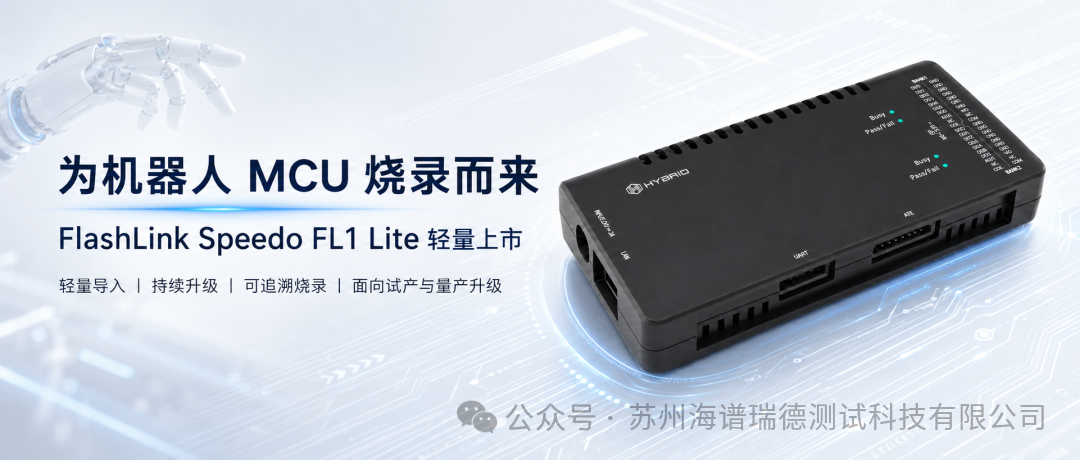
As humanoid robots accelerate from Proof of Concept (PoC) to mass production and delivery, the importance of underl...

The mass installation and deployment marks the successful entry of our high-end domestic programming equipment into the...
As automotive electronic architectures rapidly evolve toward central domain control, next-generation Central Domain C...